
How to Choose a Luxury Custom Home Builder in Austin [2026 Guide]
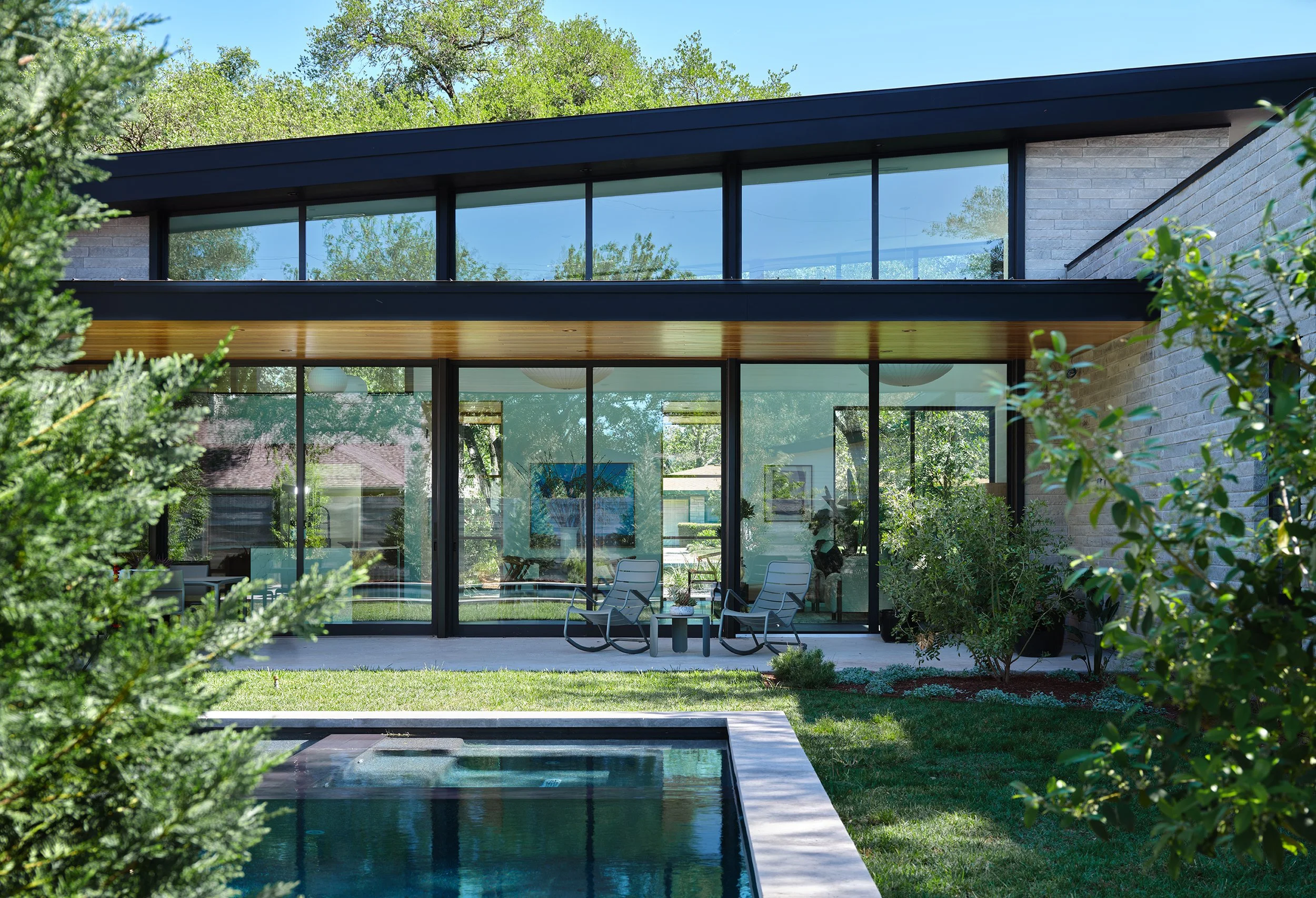
Choosing a custom home builder in Austin comes down to four things: proven work in your neighborhood, a transparent pricing process, deep trade relationships, and communication you can live with for a year or more.
Get those four right and nearly everything else about your build follows. Get them wrong and no contract language will save the experience.
That is a confident claim, so let us earn it. Over twenty years of building custom homes across Austin and the Hill Country, we have watched what separates the projects that feel like a collaboration from the ones that feel like a rescue mission.
This guide walks through exactly how to vet a luxury builder before you sign anything: the questions to ask, the answers you should expect, and the red flags that should end a conversation politely but firmly.
Why Choosing a Builder Matters More in Austin
Texas does not require a state license for general contractors, so anyone with a truck and a business card can call themselves a builder.
Austin adds its own layers: city registration through Build + Connect, permitting that routinely takes two to four months, and lots that bring slopes, limestone, and protected trees. Vetting is your real protection.
The market makes it harder still. Workforce Solutions projects a shortage of nearly 3,000 trade workers in the Austin metro over the next decade, which means the best craftsmen choose which builders they work with, not the other way around.
A builder's trade relationships are invisible on a website and decisive on your job site. The barrier to entry in this industry is low and the difficulty of the work is high. That gap is exactly where careful vetting earns its keep.
10 Questions to Ask Before You Hire a Builder
Interview at least two or three builders and ask each one the same ten questions. You are not only listening for the answers. You are watching how comfortably and specifically each builder gives them, because that comfort predicts how they will communicate when something on your project goes sideways.
1. How many homes have you built in this neighborhood?
A good answer names streets and projects. Zilker and Spicewood are different builds: urban infill lots, tree protection, and impervious cover on one hand; wells, septic, and long site access on the other.
2. Can I walk one finished project and one active job site?
A job site tells you more than any portfolio. Look for a clean site, protected materials, and organized trades. That is what daily management looks like.
3. What insurance do you carry?
General liability and workers compensation, with certificates offered without hesitation. Any friction here is disqualifying.
4. How long have you worked with your key subcontractors?
Long-standing relationships with the same electricians, plumbers, and millwork shops signal quality and schedule reliability. Ask specifically who does their cabinetry and finish work.
5. What is your change order process, and what is the markup?
You want a written process with documented pricing before work proceeds. Changes are inevitable; surprises are optional.
6. What percentage of your projects finish on schedule?
An honest number with context beats a perfect one. The better follow-up: how do you communicate when a delay happens?
7. How do you keep a budget from drifting?
Listen for allowances defined early, real preconstruction pricing rather than placeholder numbers, and firm selection deadlines.
8. What warranty do you provide, and who answers the phone after move-in?
The relationship should not end at the final walkthrough. Ask who handled the last warranty call and how quickly.
9. How will we communicate during the build?
You want a single point of contact, a regular update rhythm, and daily on-site management. Vague answers here become vague Tuesdays on site.
10. Can I speak with two recent clients and one from five years ago?
The older reference is the one most builders never get asked for. It tells you how the home has aged and how the warranty promise was honored.
Red Flags That Should End the Conversation
Some signals are not negotiating points. They are previews. If you see them during the sales process, when a builder is on best behavior, expect more of the same after the contract is signed.
Vague timelines or a reluctance to put dates in writing.
Hesitation around references, insurance certificates, or past project addresses.
An unclear change order process or an unwillingness to state the markup.
Pressure to skip or compress the design and preconstruction phase.
A bid dramatically lower than every other builder's. Someone is going to pay the difference, and it is usually you, later.
Slow or scattered communication before you have signed anything.
What Luxury Changes About the Vetting
At the luxury level you are not buying square footage.
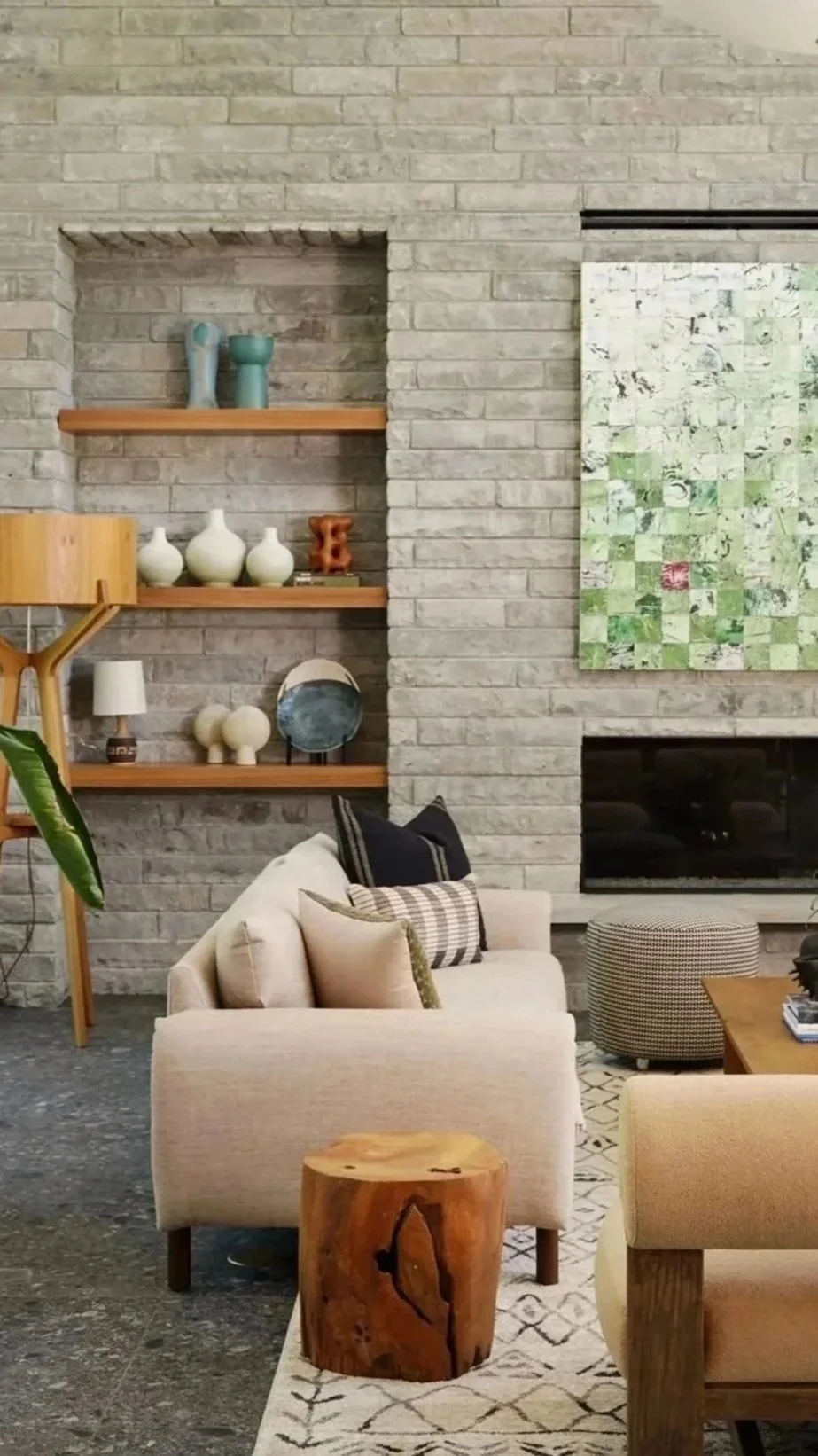
You are buying the faithful execution of an architect's intent, and that shows up at the detail level: how cabinetry reveals line up, how trim meets stone, how a pivot door lands on its hinge.
Vet a luxury builder by inspecting details up close, not photographs from across the room.
Ask which finish elements the builder self-performs rather than subcontracting, because that is where craftsmanship either lives or leaks away.
Ask how they collaborate with architects. We have built alongside inspired firms like Clark Richardson Architects on a custom home in the Zilker neighborhood, where prime line Douglas fir and divided lite windows demanded builder and architect working as one team.
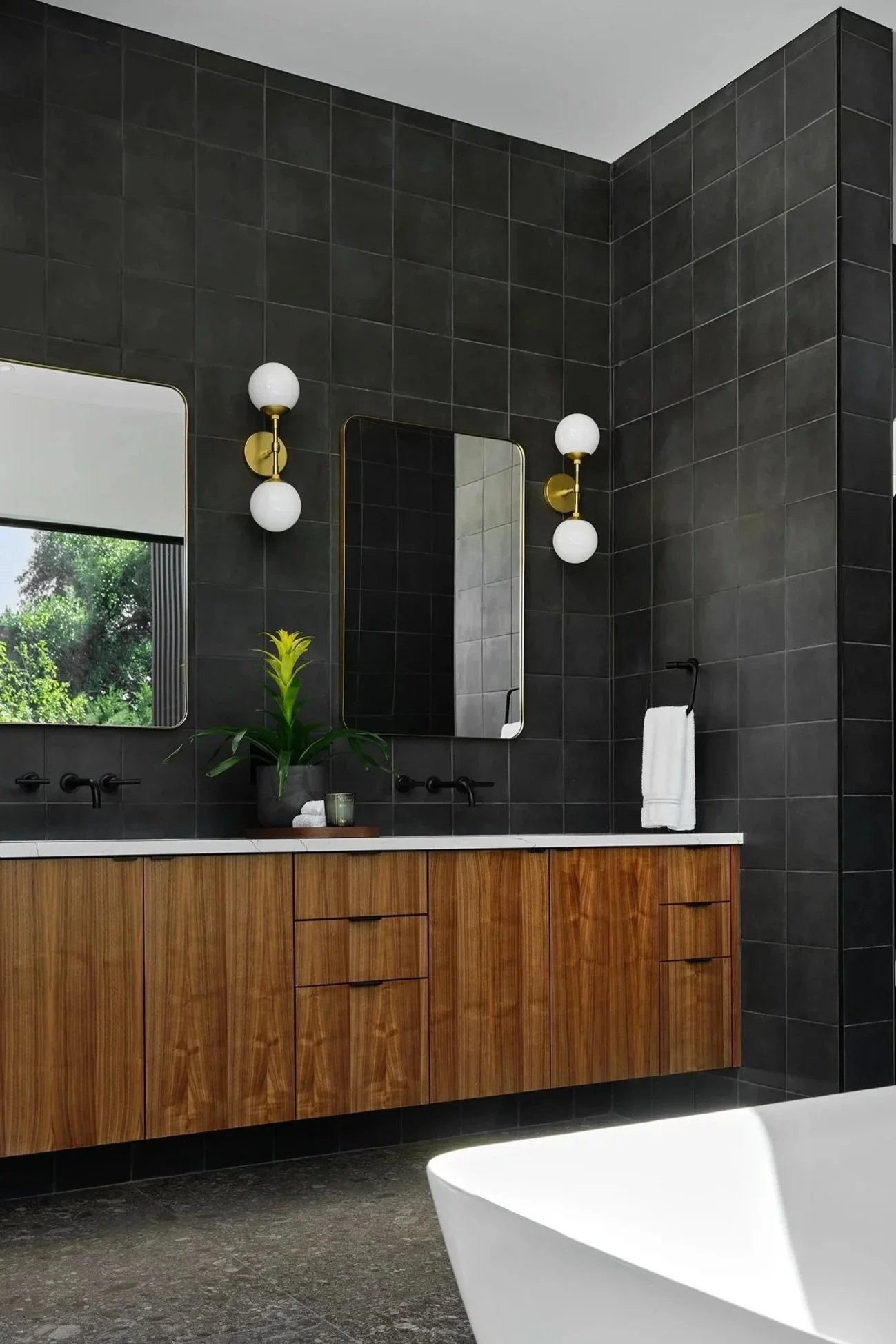
At our Park View project, walnut cabinetry and clerestory windows were designed to bring the outside in; details like those survive only when the builder treats the drawings as a promise rather than a suggestion.
Review that standard of work in a portfolio before you review a price.
How the Design-Build Relationship Protects You
When the people pricing your home are the same people building it, the design stays honest to the budget from the first sketch.
There is no gap between what was drawn and what was bid, and no finger-pointing when the two disagree.
We have written about why Austin homeowners are choosing design-build and how it compares with the traditional architect and builder path, and the short version is this: integration removes the most expensive word in construction, which is 'assumed.'
Budget expectations should also be grounded early; our guide to what a custom home really costs in Austin is the honest place to start.
Building in Austin With Levesque & Co
For twenty years, Levesque & Co has built homes that function as true sanctuaries, spaces where architecture, building integrity, and natural surroundings merge harmoniously.
Founder Dominique Levesque blends artistry with precision, self-performing many finish elements, and holds a BuildZoom score of 110, ranking in the top 4% of more than 222,000 Texas contractors.
Barbara Levesque, a licensed Texas Realtor, guides clients from lot acquisition through completion.
If you are beginning your builder search, schedule a free consultation and bring your questions. All ten of them.
Customer Testimonials
We’ve had the pleasure of working with Dom and his team for over 10 years, and they never disappoint. The attention to detail, DESIGN, and craftsmanship is truly top-notch. Their communication and thorough planning make every project smooth and stress-free. We absolutely love working with them and highly recommend their work!
— Blue Label Granite
Frequently Asked Questions About Custom-Build in Austin
-
No. Texas has no state license for general contractors, though Austin requires builders to register through the city's Build + Connect system before permitted work begins. Because the state sets no bar, your own vetting process, references, insurance, and past work is the real qualification check.
-
Two or three is the practical sweet spot. Ask each one identical questions so the answers are comparable, visit at least one active job site per builder, and weight communication quality as heavily as price. The cheapest bid is rarely the least expensive home.
-
At minimum, general liability insurance and workers compensation coverage, with current certificates provided on request. A builder who hesitates to share proof of insurance is telling you something important before the project even starts.
-
Ideally before you buy the lot. An experienced builder can evaluate slope, soil, protected trees, utilities, and setback rules that determine what you can build and what it will cost, which prevents the most expensive surprises entirely.
-
Ten or more years in the Austin market signals financial stability and the ability to survive labor shortages, supply disruptions, and market swings. Newer builders can do fine work, but longevity means the warranty behind your home has a track record.